
Roofing in Lakeway, Texas
Lakeway homes sit on the hills above Lake Travis. That means wind off open water, steep and complicated rooflines, and a lot of aging concrete tile. MTL Construction Services has worked on homes across the Lakeway and Bee Cave area, and every roof gets the same standard: find the real problem, show you the photos, and build it to last.
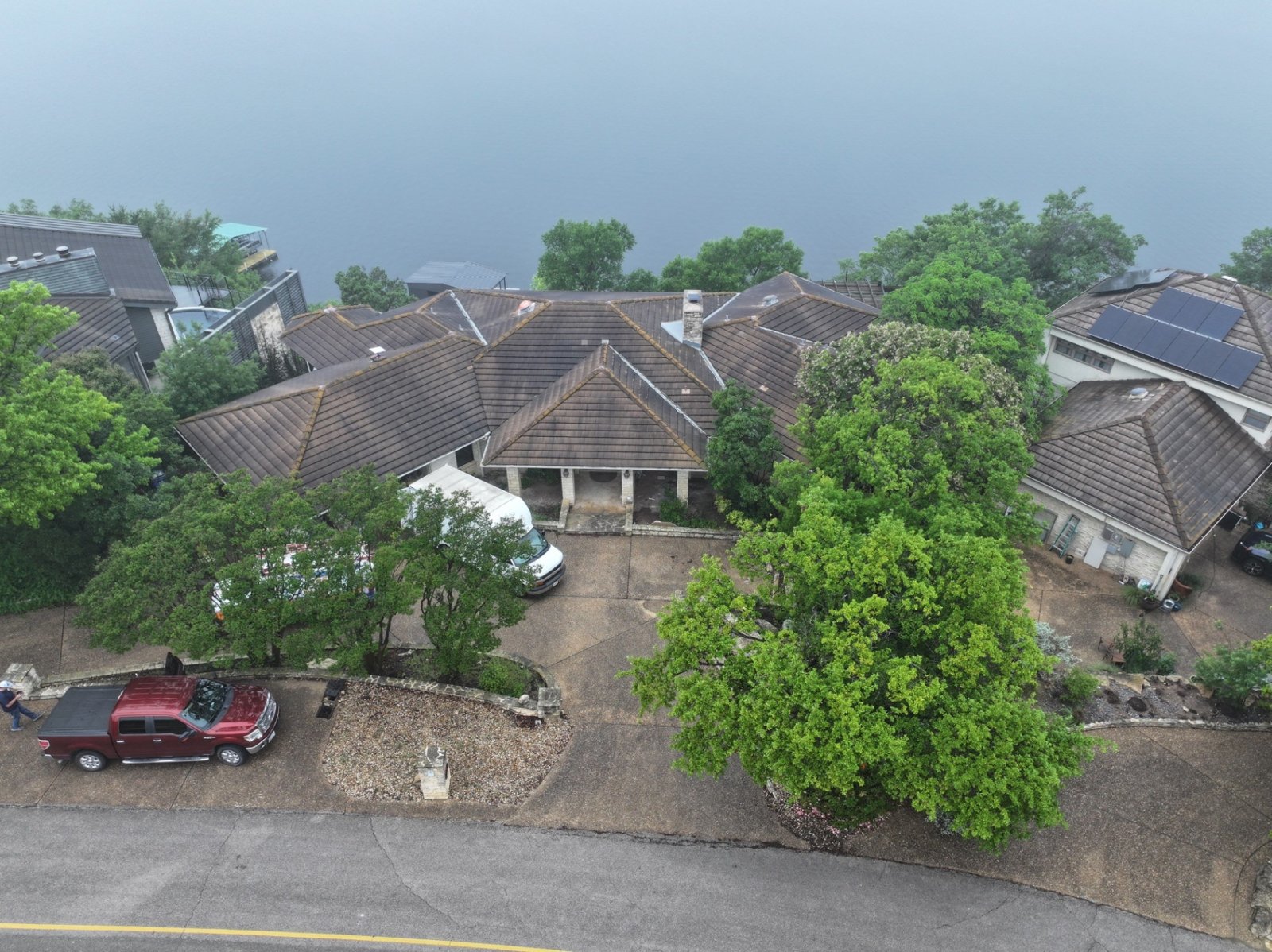
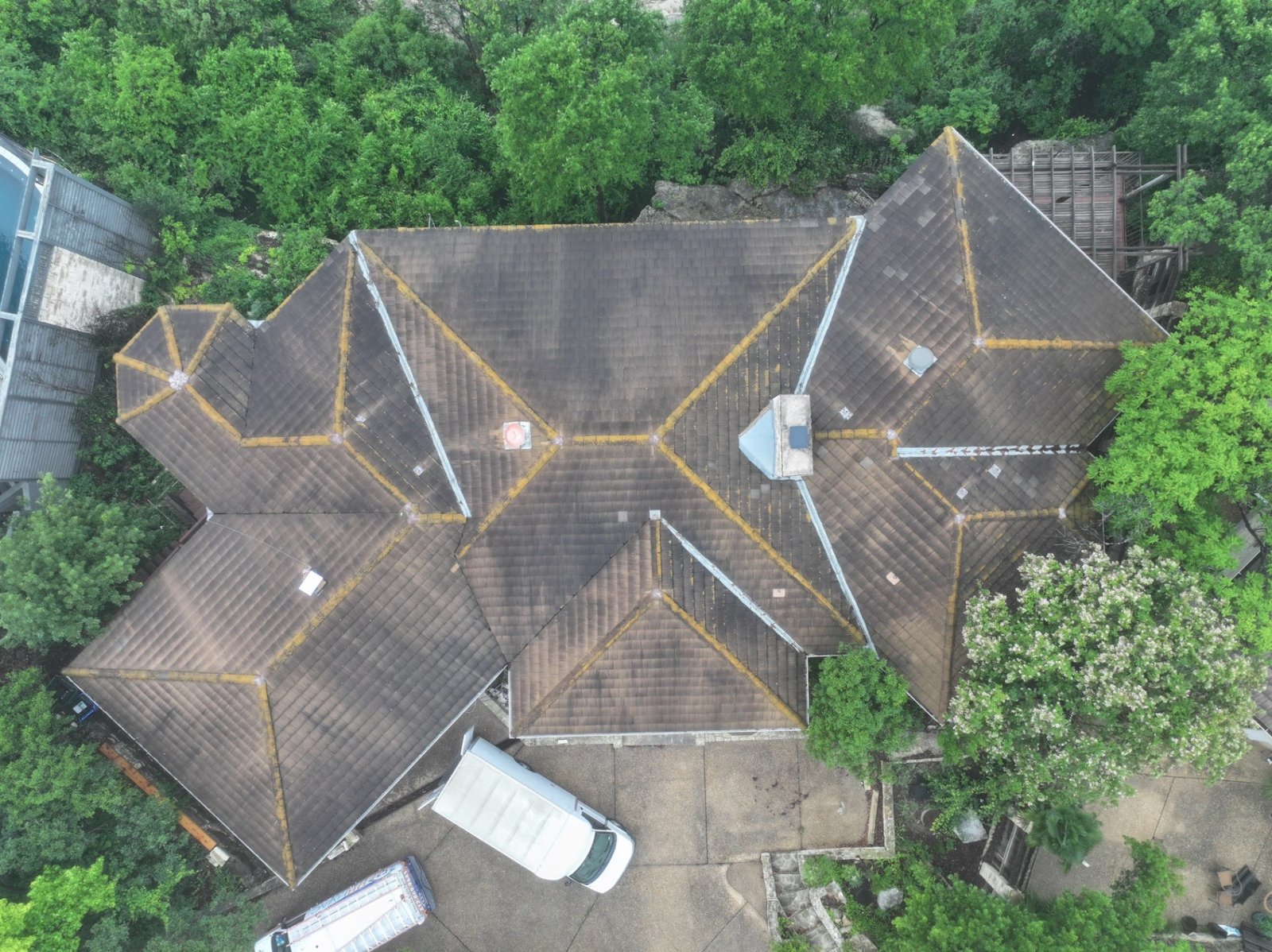
Featured project: from cracked concrete tile to matte black standing seam on Lake Travis
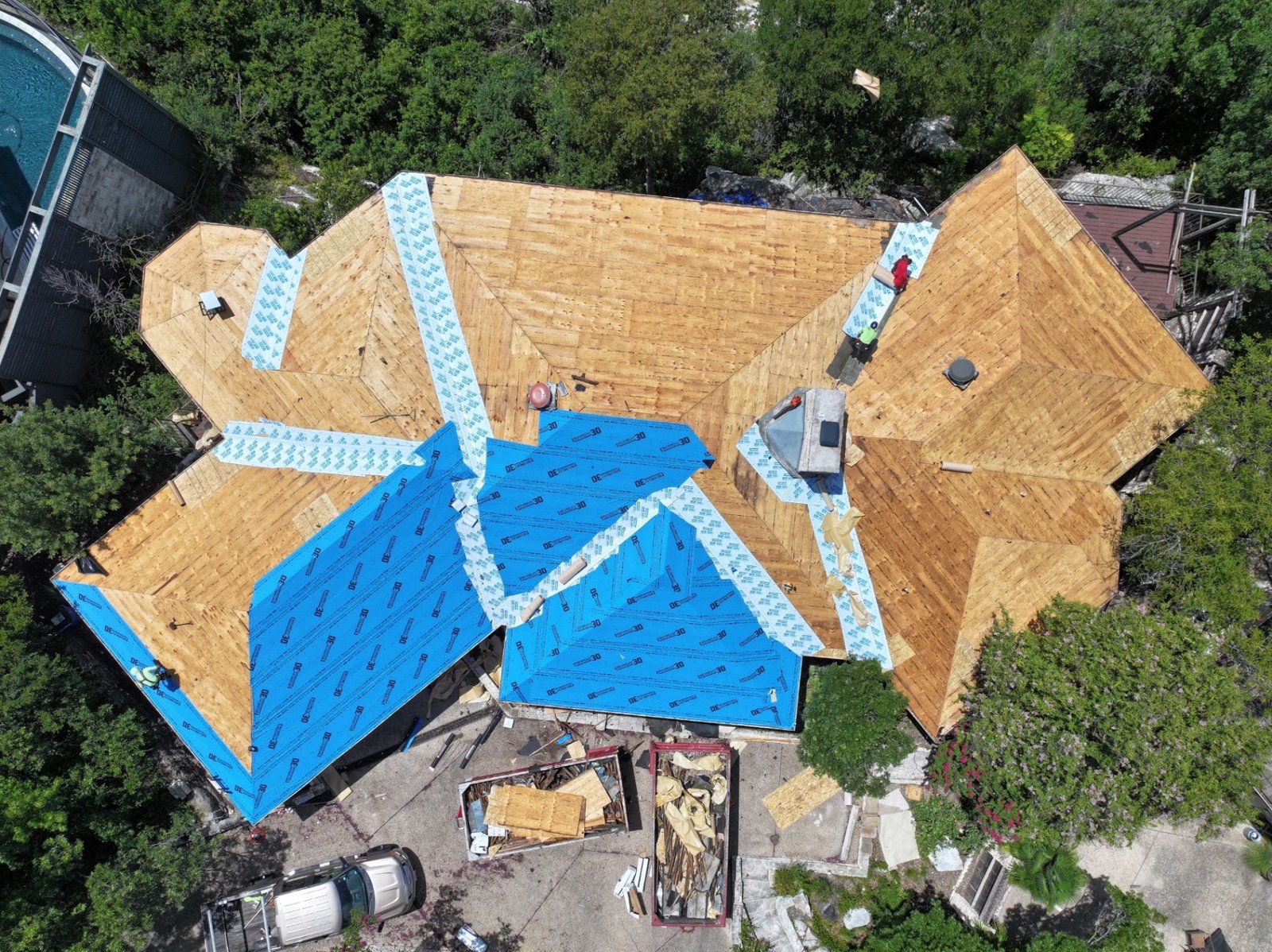
The homeowners were tired of concrete tiles breaking and cracking year after year, and they wanted a more updated look to go with their remodel.
What MTL did
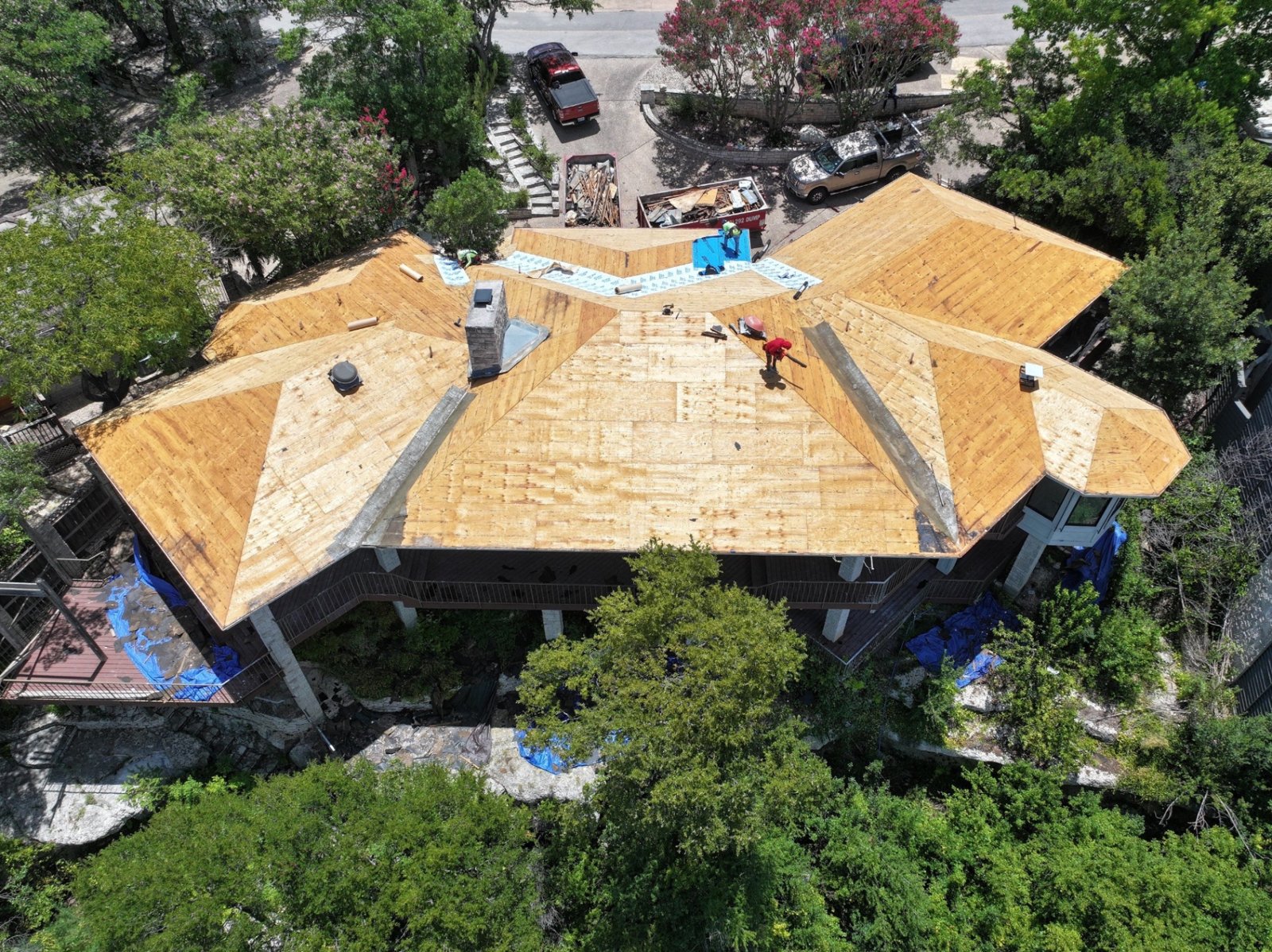
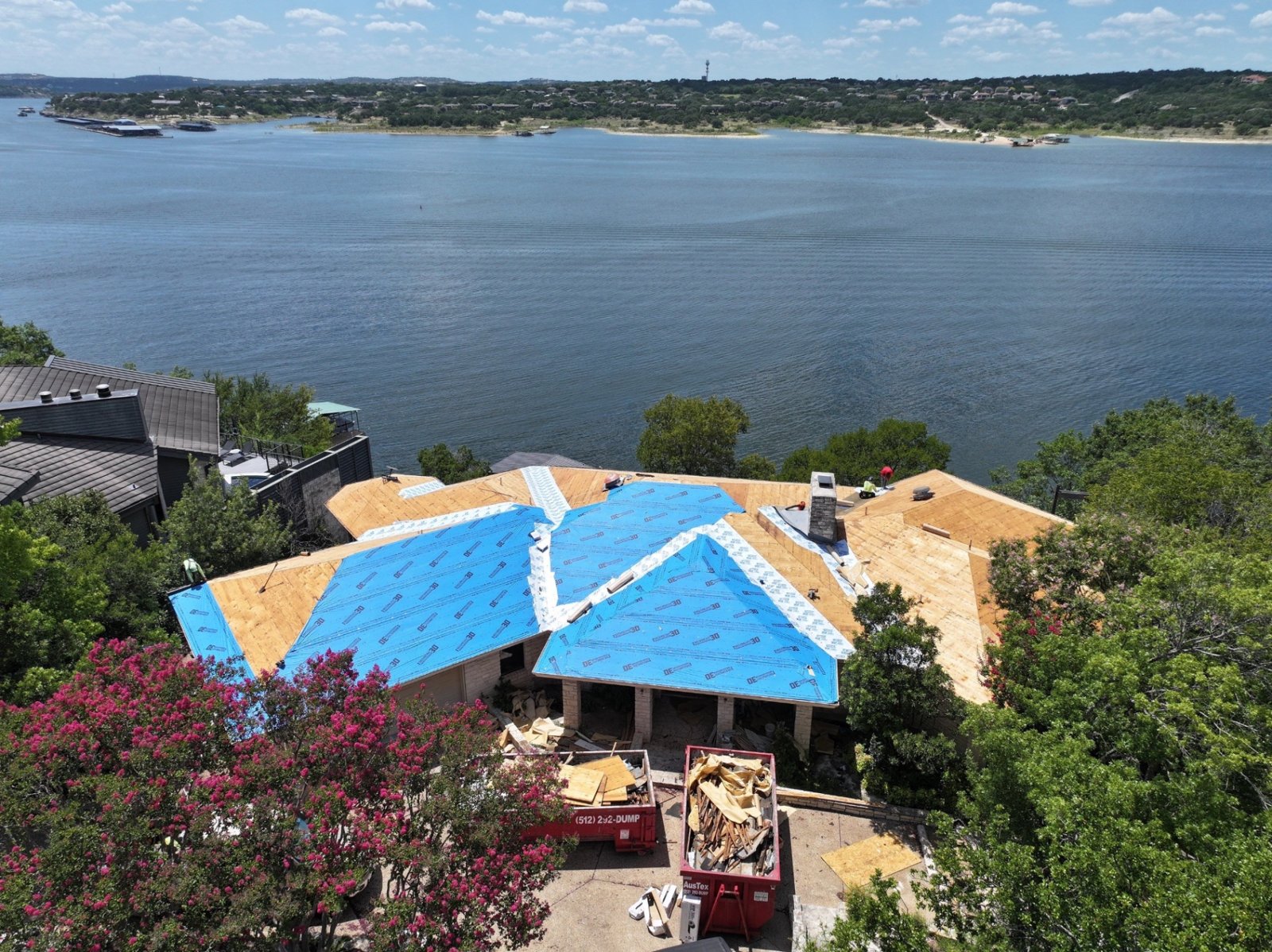
- Tore off the entire concrete tile roof system, down to the wood deck.
- Inspected the exposed deck before anything new went on.
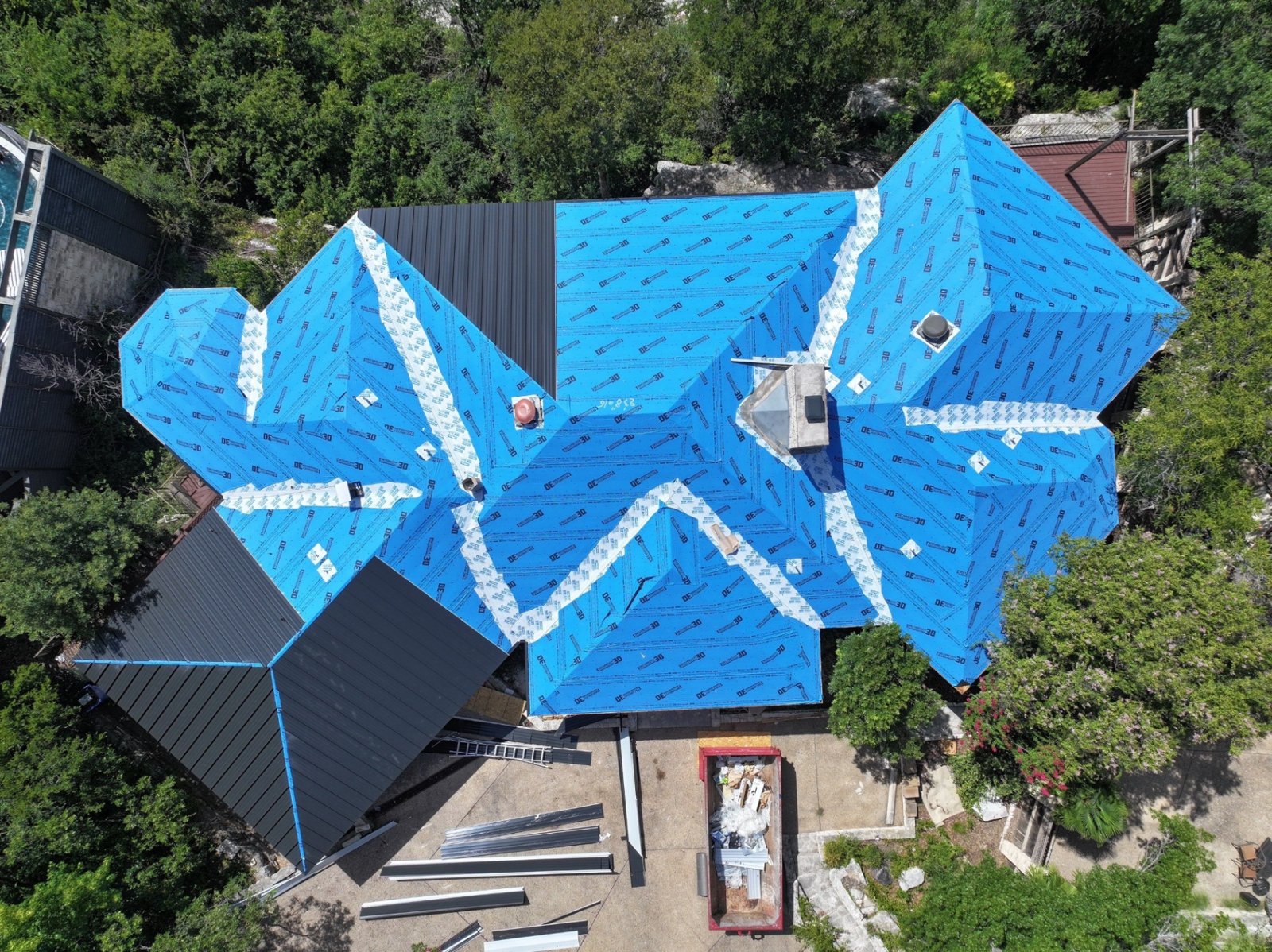
- Installed new underlayment, with extra waterproof membrane in the valleys and along the hips.
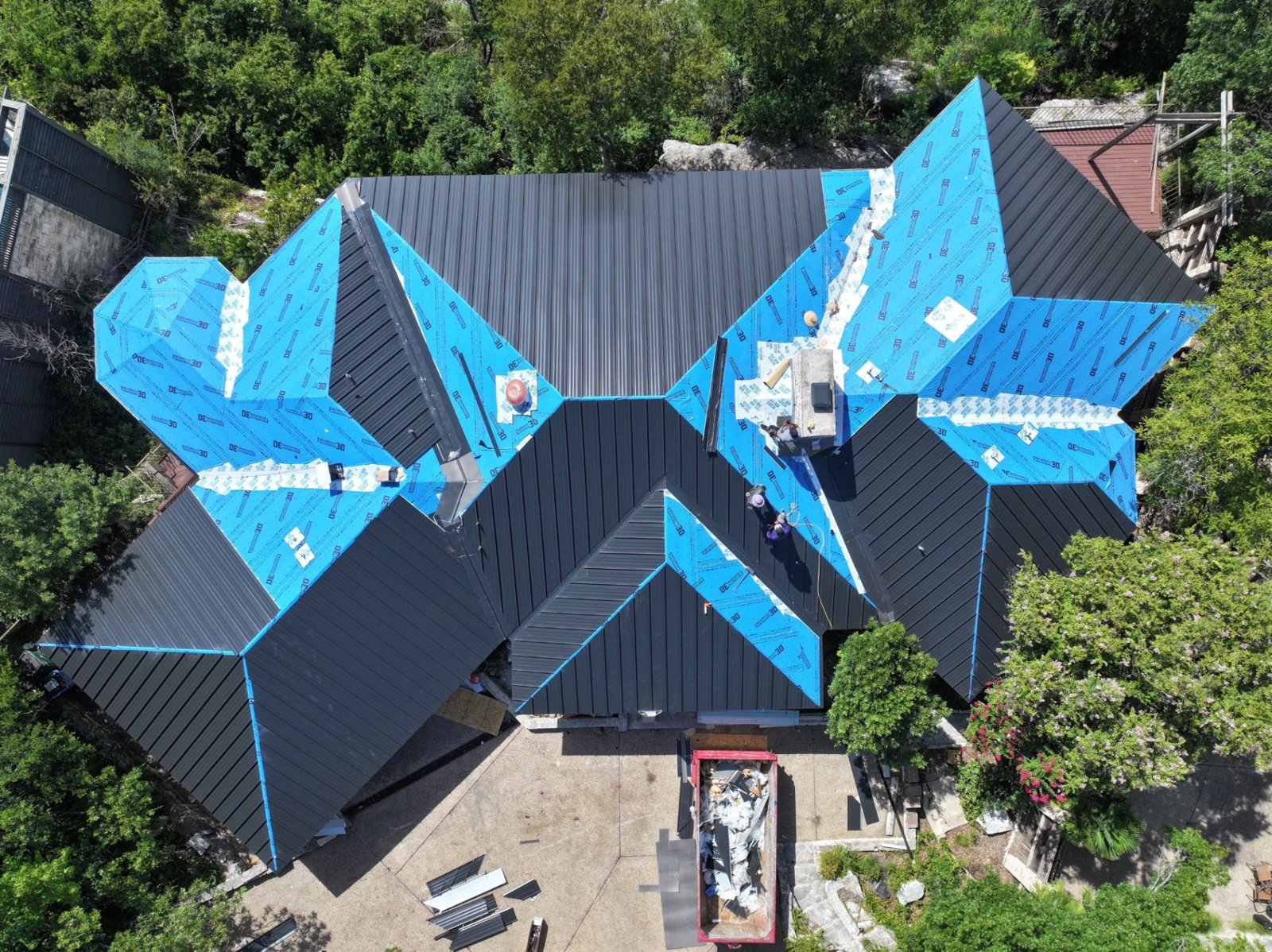
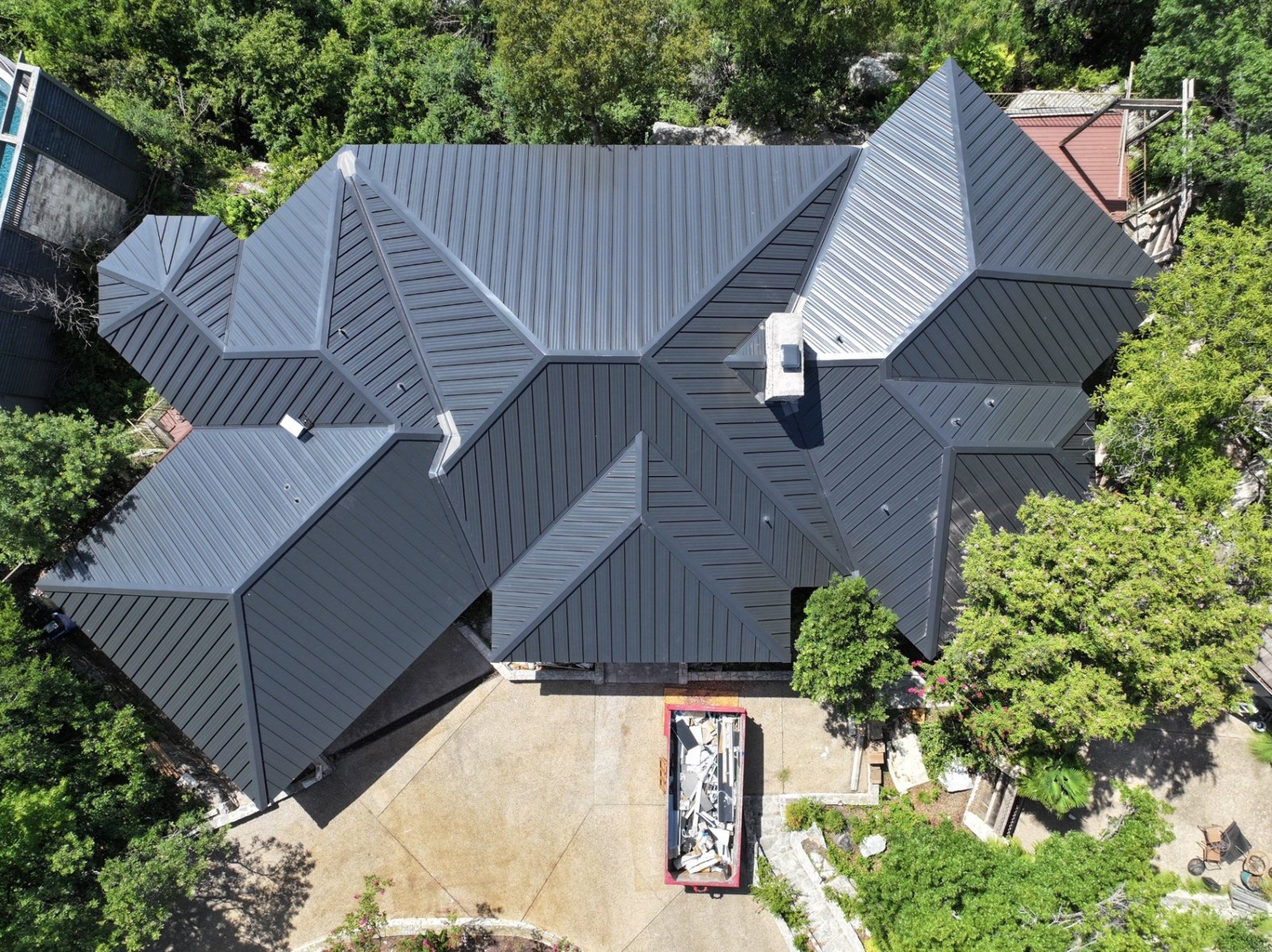
- Installed a matte black standing seam metal roof with a double-lock (double-fold) seam.
Why a double-lock seam on the lake
Most standing seam roofs use a snap-lock seam: the panel edges snap together by hand. A double-lock seam is folded over twice with a seaming tool, which locks the panels together more tightly and holds up better against high wind. It takes more labor to install. On a house that takes the full force of the wind coming off Lake Travis, MTL chose the stronger seam.
The result: a stunning, clean new look, and a roof built for the wind it faces every day.
Featured project: a hidden tile roof leak near Hudson Bend
The homeowners called after they noticed a stain on their ceiling. In the attic, the roof deck above the stain was dark, wet and rotting.
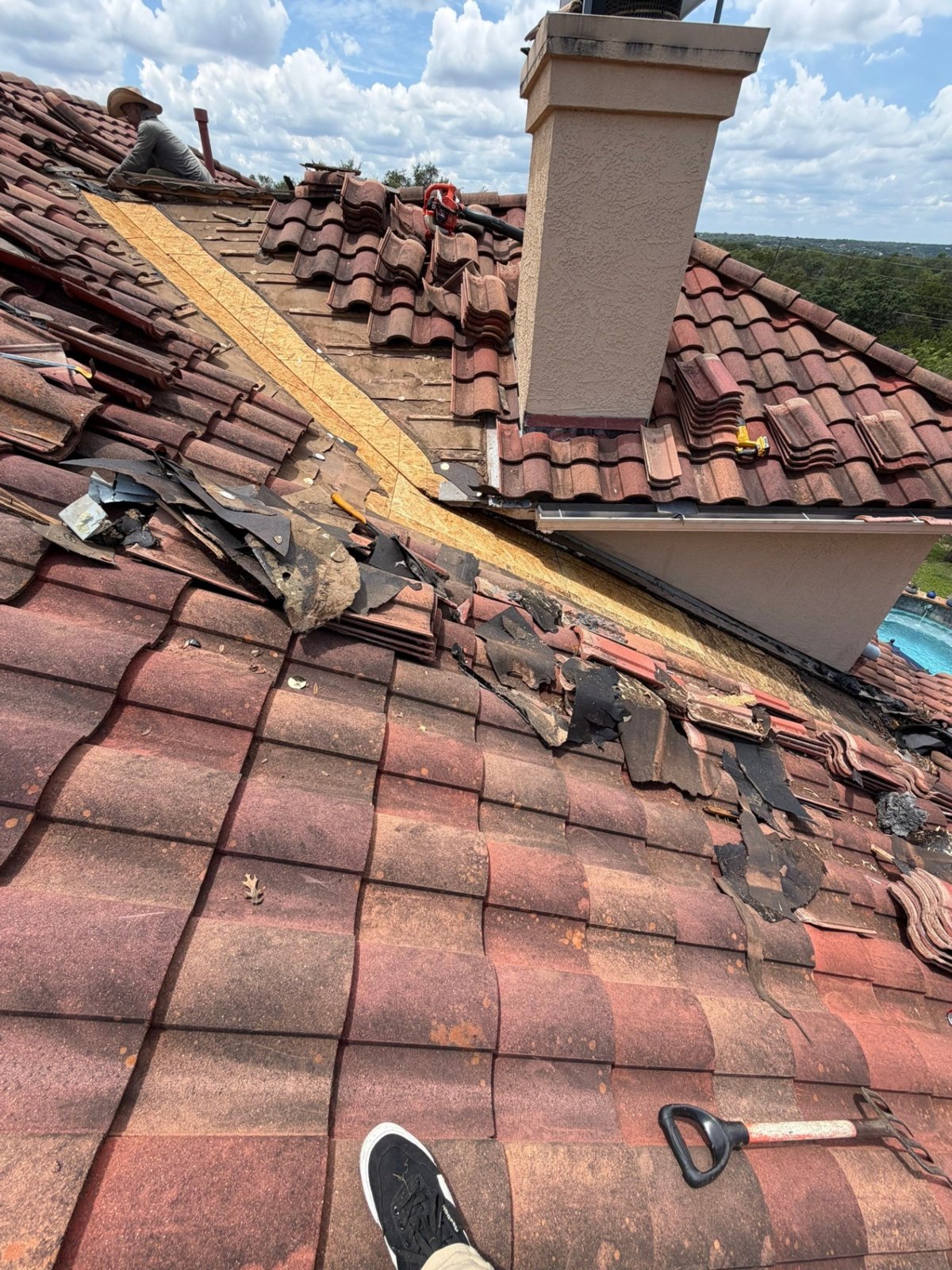
On the roof, your MTL Project Manager found cracked concrete tiles all over the roof, with the worst damage where a valley carried water past the broken tiles. Concrete tile sheds most of the rain, but it isn't the waterproof layer. The layers underneath are. Once enough tiles crack, water gets under them, and the damage stays hidden until it reaches the ceiling.
What MTL did
- Carefully removed the concrete tiles from the damaged area and set them aside to reuse.
- Cut out the rotten roof decking and replaced it with new decking.
- Installed new metal valley flashing.
- Rebuilt every layer of the roof system underneath the tile.
- Set the original tiles back in place, and replaced the cracked ones with matching tiles from a nearby reclaimed-tile salvage yard.
Matching tiles aren't always available. Many tile profiles and colors are no longer made, so finding a match takes some searching, and sometimes there isn't one.
The result: the leak is fixed at the source, and the home keeps the architectural character of its original tile roof. The homeowners were very pleased.
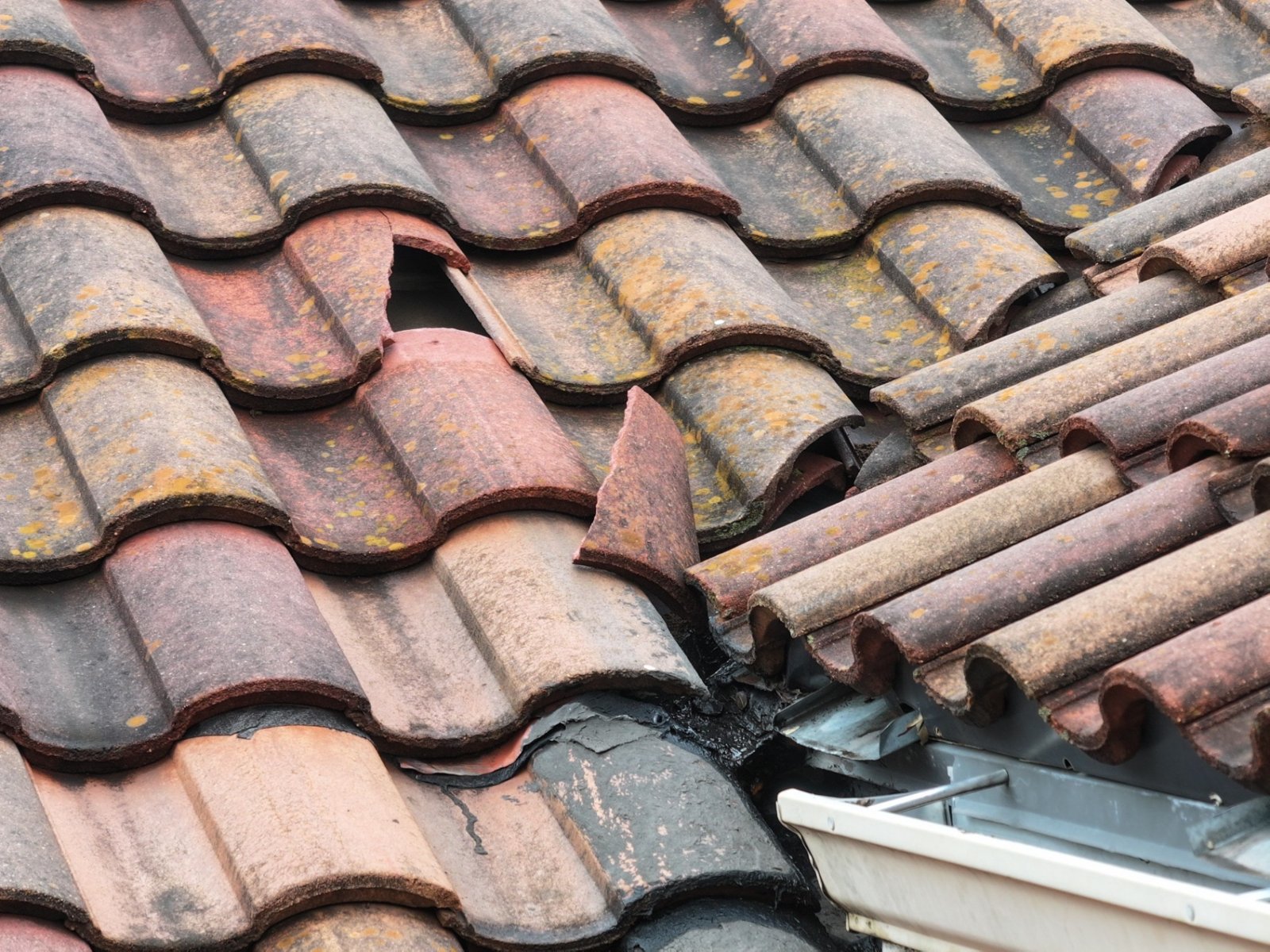
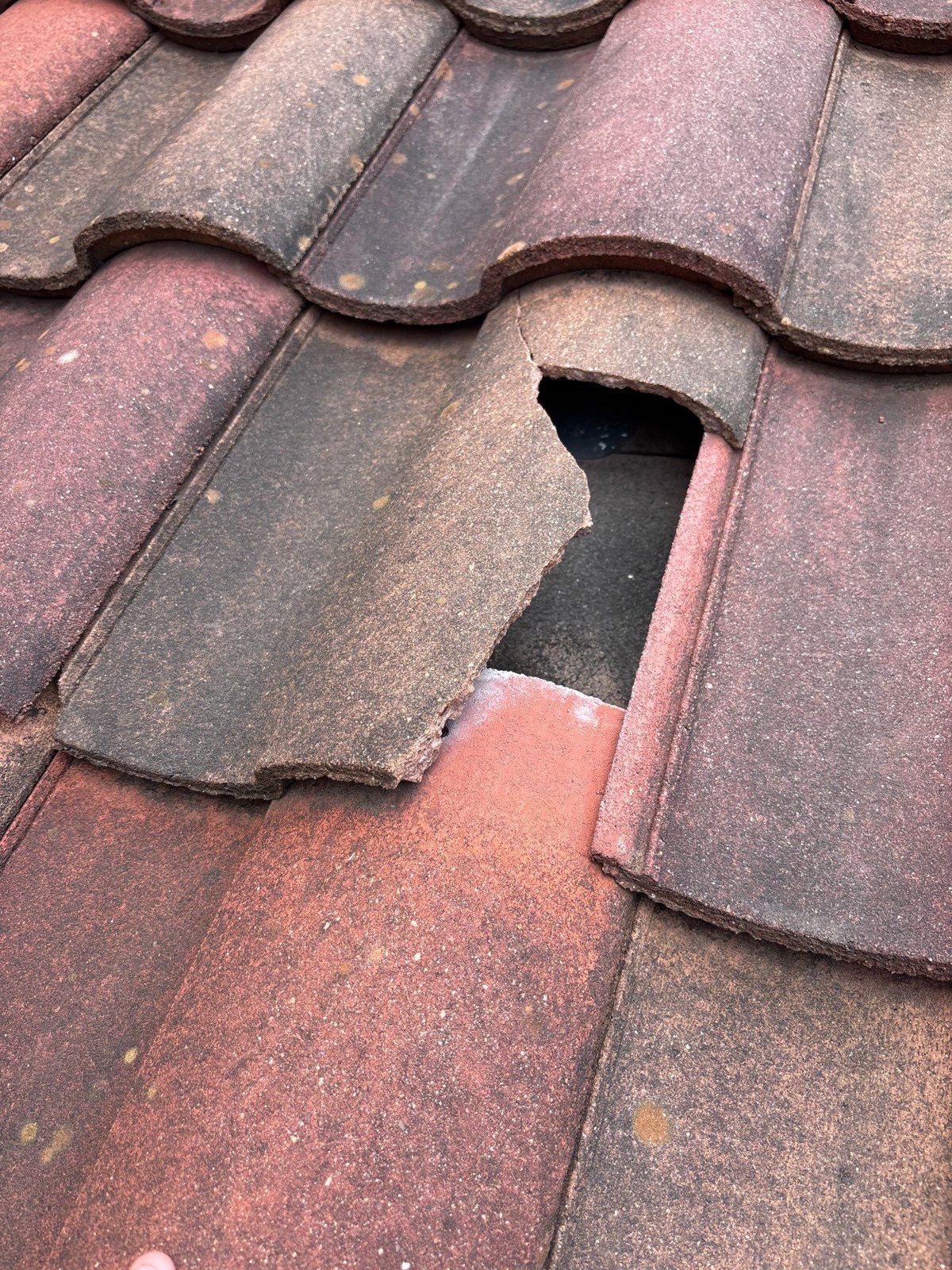
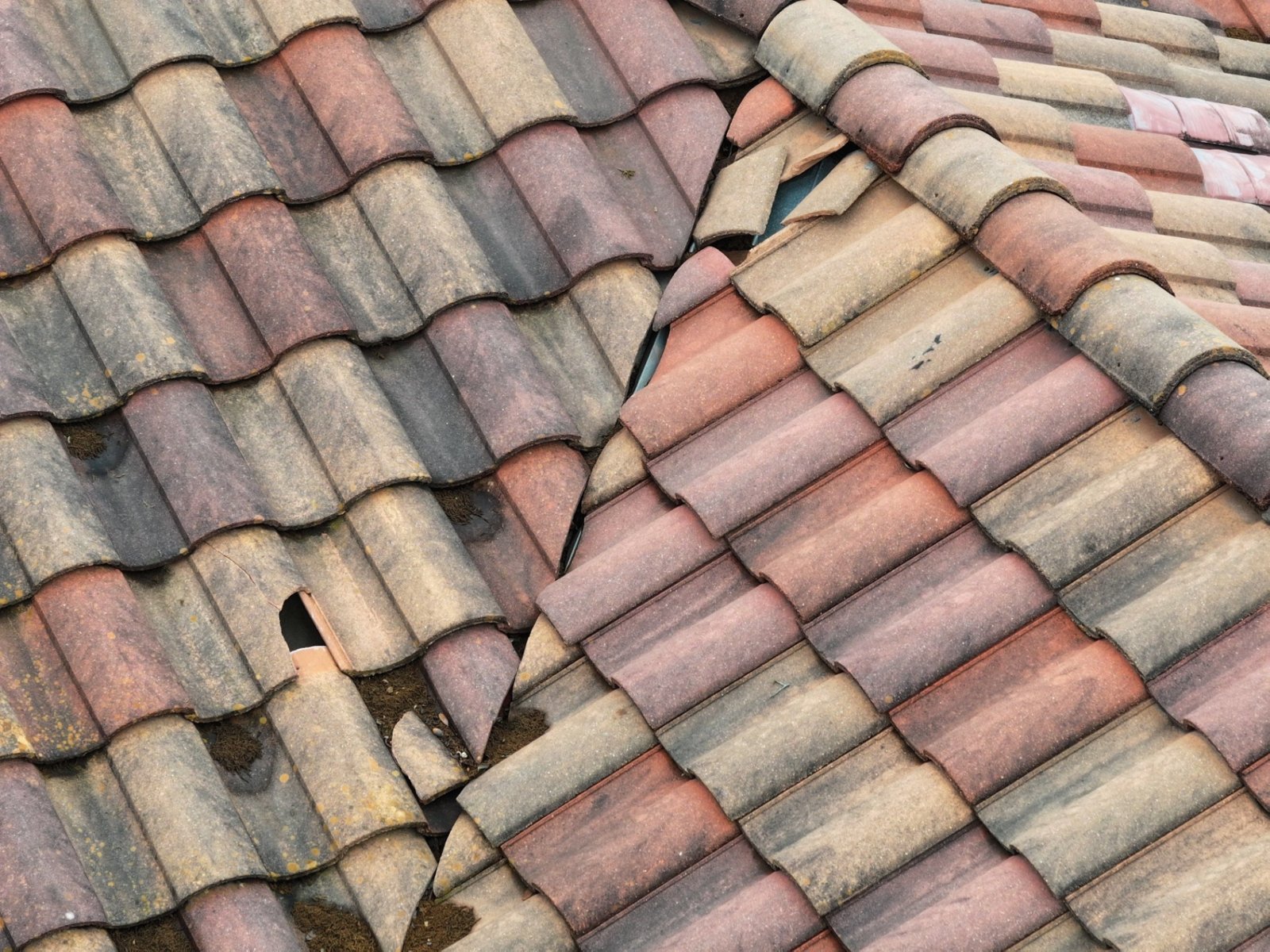
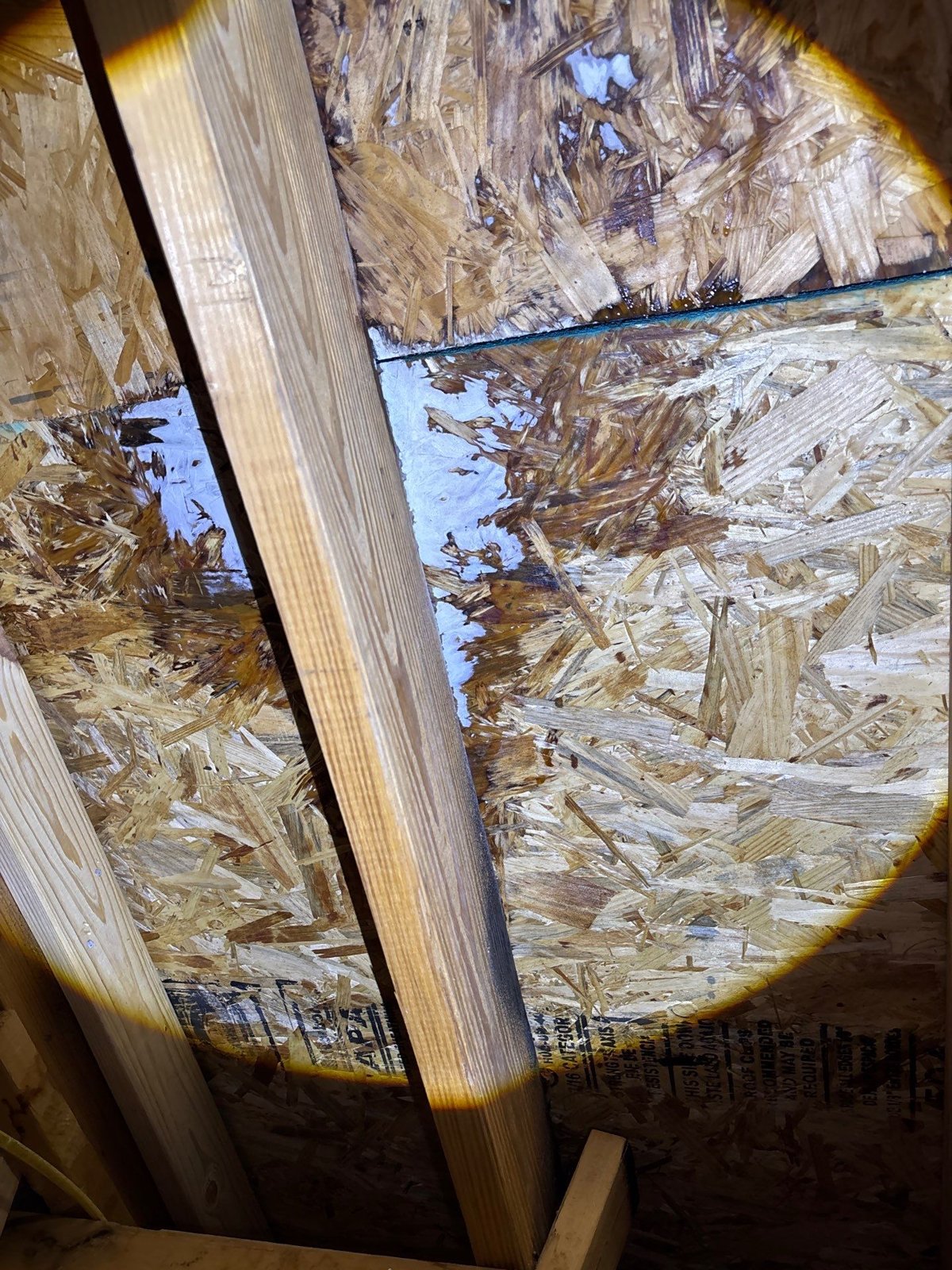
Two Lakeway tile roofs, two different answers
Both homes started with cracked concrete tile. One got a full replacement, because the homeowners wanted a new look and a roof built for the wind on the water. The other got a repair that saved the original tile, because the roof underneath could be rebuilt and matching tiles could be found. Your MTL Project Manager lays out both options, with photos, and you decide.
Get eyes on your Lakeway roof.
The inspection is free and comes with photos and a written assessment. If your roof is fine, MTL will tell you that too.