
Solar Attic Fans: Lower Bills or Higher Ones?
A solar attic fan can be a great addition to an attic ventilation system. Done without a look at the whole house, it can also make things worse. MTL installs a lot of solar attic fans, and every homeowner gets the same walk-through first: how the attic, the roof vents and the air conditioning work together as one system.
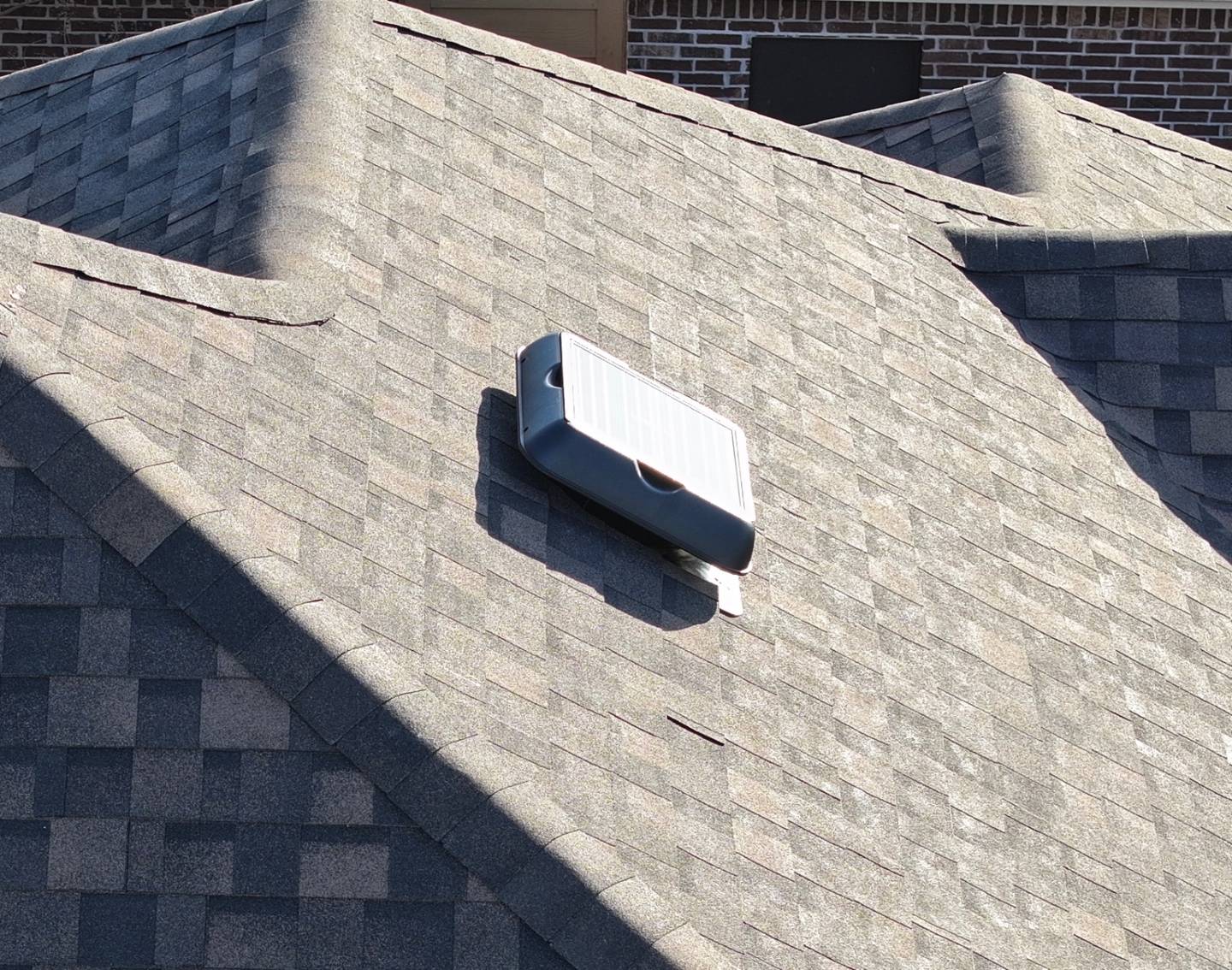
The electric bill that doubled
MTL has been called in as the second roofer after a solar attic fan went in. The homeowners had bought the fans because their air conditioning bill was high and they wanted to cut energy costs. After switching from passive vents to solar fans, they told MTL their electric bill roughly doubled.
The first roofer had installed the fan correctly. What nobody explained was how the fan works as part of the attic system.
In Texas, almost every house has its air conditioning unit and ductwork in the attic. This home's ducts were leaking and poorly sealed. That was already raising the bill when the attic had only passive vents. Once the solar fan started pulling air out of the attic, it lowered the air pressure up there and pulled even more cooled air out through the leaks in the ductwork. The fan was paying to cool the attic.
Three mistakes MTL sees with solar attic fans
1. Installing a fan without checking the ductwork.
Passive vents (metal box vents or a ridge vent) let hot air rise out on its own. A powered fan actively pulls air out of the attic. If the ducts leak, the fan pulls conditioned air out of them, and the air conditioner works harder.
2. Leaving the old passive vents open next to the fan.
When a solar fan sits near an existing ridge vent or box vent, it pulls outside air in through that nearby vent and straight back out. The airflow short-circuits: the fan moves air, but not attic air, and it can cancel out the attic's ventilation instead of adding to it. When active ventilation goes in, the nearby passive exhaust vents must be closed off and covered.
3. Putting the fan on the wrong side of the roof.
A solar fan runs on sunlight. It belongs on the south-facing slope. In Texas, the west-facing slope is the second choice. A solar fan on the north-facing slope does almost nothing.
When a solar attic fan is a good choice
A solar attic fan can lower the heat in an attic a great deal when:
- The air conditioning ducts are sealed, confirmed by the homeowner or checked by an HVAC technician
- The nearby passive exhaust vents are closed off so the fan isn't short-circuited
- The fan goes on a south- or west-facing slope with full sun
- The attic has enough intake air at the soffits for the fan to draw from
If those boxes are checked, MTL is happy to install one. If they aren't, MTL will say so and explain what to fix first.
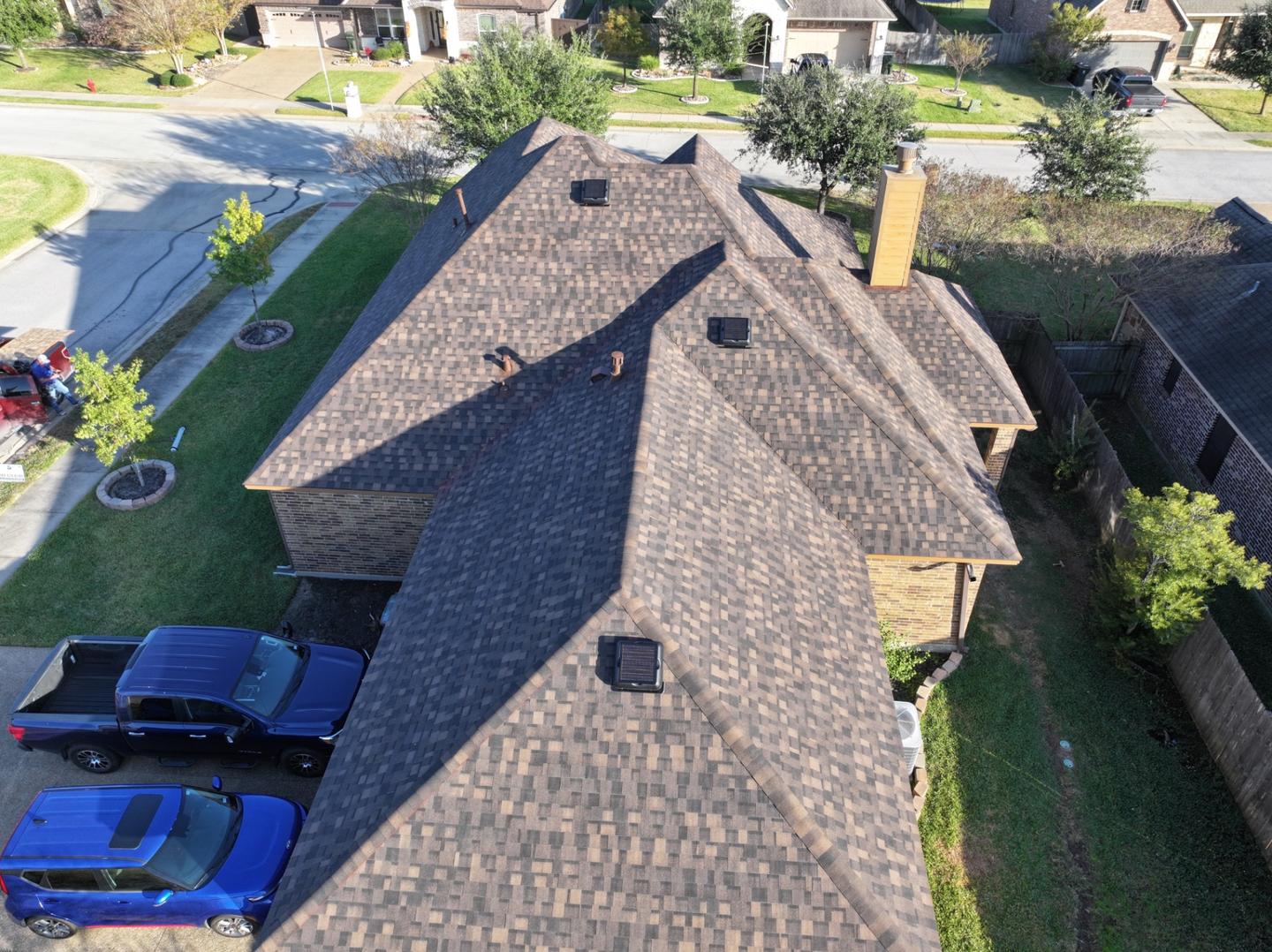
Why most roofers skip this conversation
Many roofing contractors don't take the time to explain any of this. Selling another fan is easy; explaining how a house breathes takes longer. MTL would rather spend the extra twenty minutes than sell a homeowner something that raises their bill.
Solar attic fan questions
Do solar attic fans lower electric bills?
They can reduce attic heat, but if the air conditioning ducts in the attic leak, a powered fan can pull cooled air out of them and raise the bill. Get the ducts checked first.
Can I keep my ridge vent or box vents with a solar attic fan?
Not the ones near the fan. Open passive exhaust vents next to a powered fan short-circuit the airflow. MTL closes off and covers them when adding active ventilation.
Which side of the roof should a solar attic fan go on?
The south-facing slope. In Texas the west-facing slope is the second choice. The north slope gets too little sun to run the fan well.
Do I need an HVAC technician before installing a solar attic fan?
If there is any doubt about the ductwork, yes. An HVAC technician can test the ducts for leaks before the fan goes in.
Not sure if a solar attic fan is right for your home?
Serving Austin, Lakeway, Steiner Ranch, Bee Cave, Spanish Oaks, West Lake Hills, Barton Creek, Dripping Springs, Spicewood, Marble Falls, Cedar Park, Round Rock, Georgetown.